
Understanding Root Canals at Bense & Lopatofsky Dental
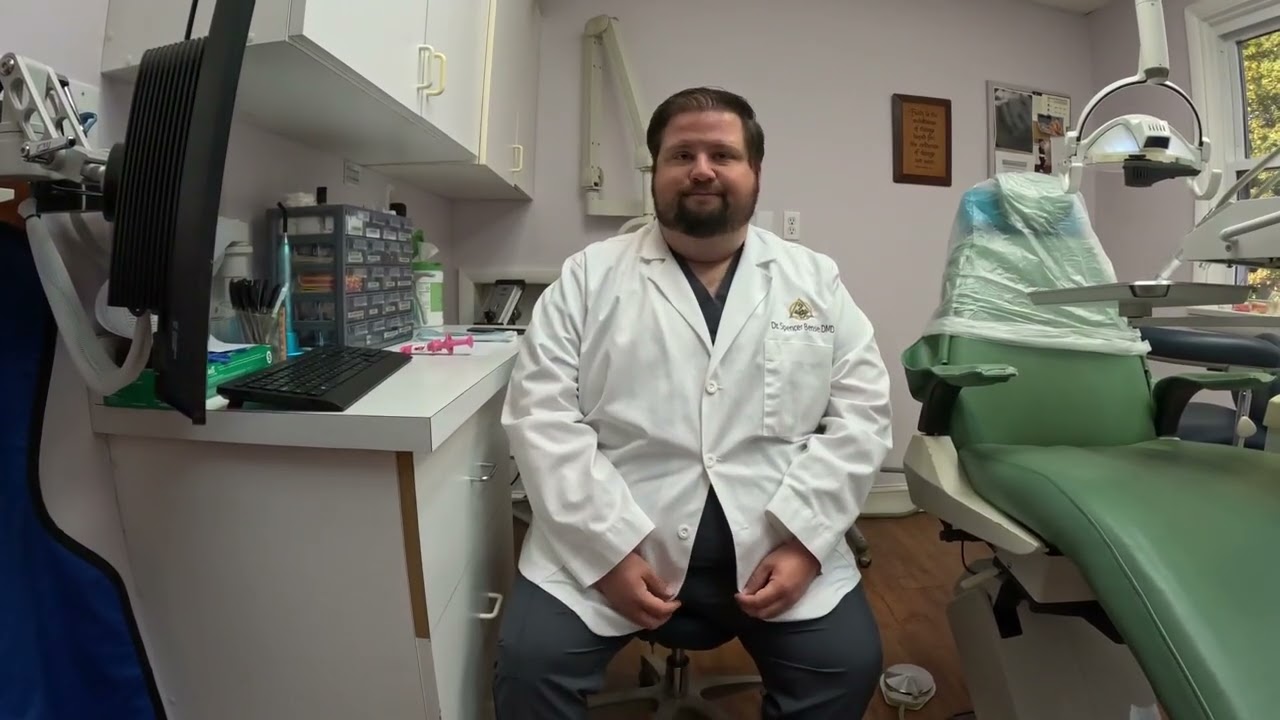
Hello, I'm Dr. Spencer Bense at Bense & Lopatofsky Dental. Today I'm going to discuss root canals and attempt to answer some of the most common questions patients have about them.
What is a root canal treatment?
A root canal treatment is performed when a tooth is decayed and the decay reaches the nerve, causing infection or an abscess. This treatment removes the infection and the nerve tissue causing pain and swelling, replacing it with a filling. Essentially, a root canal is a filling that replaces the nerve tissue within the tooth.
What are some signs that indicate I may need a root canal?
Common signs that may indicate the need for a root canal include spontaneous pain, swelling, aching, throbbing, and prolonged cold sensitivity. This sensitivity can last for several minutes after consuming something cold. A tooth with a large restoration or cavity near the nerve often requires a root canal, as can be determined by examining an X-ray.
Can a root canal save a cracked tooth?
A root canal can save a cracked tooth, but this depends on the crack's location. If the crack is near the top or biting edge, the tooth can usually be repaired. However, if the crack is deep in the root or a vertical fracture, the tooth may not be salvageable and would need extraction.
What happens during a root canal?
During a root canal, the tooth is numbed to ensure comfort. The cavity is removed to access the tooth's nerve, often located centrally. Depending on the tooth type, there can be up to four nerve canals to clean. Once cleaned, these spaces are sealed and filled, completing the root canal. A filling or core buildup is placed, and a crown is recommended soon after.
How long does a root canal procedure last?
The duration of a root canal procedure varies based on the tooth type and location, typically taking from one to two hours. Most procedures are completed in one visit, but severely infected teeth with significant drainage may require two visits. With good hygiene and following recommendations to crown the tooth, the procedure can last many years.
Will I need a dental crown after a root canal?
A dental crown is always recommended after a root canal because the procedure removes the tooth's nerve and blood supply, making it brittle and prone to fracture. A crown protects the tooth structure from breaking, especially when large fillings are present from accessing the nerve canals.
What type of anesthesia will be used during a root canal procedure?
Root canals are performed under local anesthesia to ensure numbness. Topical anesthetic is applied to the gums before injecting and allowing sufficient time for it to take effect. If discomfort arises, additional local anesthesia can be administered. For anxious patients, nitrous oxide or an oral sedative may be offered to ease anxiety. With oral sedation, a driver is required, while nitrous oxide does not necessitate one.
How safe is a root canal?
A root canal is very safe. A rubber dam is used to isolate the tooth, creating a sterile field and preventing accidental injuries. The procedure employs precise technology, ensuring accuracy to the millimeter. It is scientifically thorough and safe.
How do I prepare for a root canal?
To prepare for a root canal, ensure all your questions are addressed by your dentist. Understanding the procedure can alleviate anxiety. For severe infections or swelling, antibiotics may be recommended beforehand to reduce swelling, ease numbing, and increase comfort.
How will I feel after a root canal?
Post-procedure, expect some discomfort, particularly when chewing hard foods. Inflammation from the procedure can cause this discomfort. Over-the-counter NSAIDs like Advil effectively reduce pain and inflammation.
Will my tooth be sensitive after a root canal?
Sensitivity after a root canal is common, not to hot or cold, but to chewing hard or chewy foods. A softer diet is recommended to minimize discomfort on the treated side.
How long does it take to recover from a root canal?
Recovery from a root canal generally takes up to a week, although some experience no discomfort. Advil is recommended for pain management. If pain persists, further strategies like steroids or narcotics can be discussed, though they are rarely necessary.
What is the best way to recover after a root canal?
Follow postoperative instructions for the best recovery. Pain management strategies and recommendations for a softer diet are provided to minimize discomfort. Avoid hard or sticky foods and be cautious when chewing on the treated side.
Root canal treatment versus dental implants. What are the pros and cons of each?
The main advantage of a root canal is retaining your natural tooth. The downside is if the tooth is structurally unsound, it may not support a crown and require extraction. Dental implants are fixed and closely resemble natural teeth but require sufficient bone and tissue for placement, which is not always available without grafting.
Why are dental crowns recommended after a root canal?
Dental crowns are recommended because root canals remove the tooth's blood and nerve supply, making it brittle. A crown holds the tooth together and prevents fractures, which is a common issue when crowns are not used.
How much does a root canal treatment cost?
The cost of a root canal treatment varies based on the tooth's location. Including the root canal fee, core buildup, and crown, the total cost ranges from $1,500 to $3,500.
I hope we've answered some of your questions on root canals. If you have additional questions or are ready to take action, please call us at (570) 682-5050, or schedule below! Our staff would love to talk with you.